
Sound And Vibration
A Brainwaves & Nervous System Regulator
Singing Bowls and Sound as a Nervous System Regulator
Context
I began working with singing bowls and gongs while supporting people with high stress and nervous system overload who were unable to relax, even when using relaxation techniques (PMR), breathing techniques, or meditation.
Sound was introduced as a practical support, not as a spiritual practice. The question was simple: can vibration and sound shift nervous system activity when effort-based methods fail?
This question is supported by existing research. Studies on singing bowl sound meditation and sound-based interventions report reductions in stress and anxiety, alongside measurable changes in physiological markers such as heart rate and brainwave activity, particularly increases in alpha and theta rhythms.
What I observed in practice aligned with this literature, but went further. Beyond relaxation, sound exposure often produced rapid brain hemisphere synchronization and, in some individuals, access to altered states of consciousness while remaining awake and aware.
These observations suggested that sound acts not only as a calming influence, but as a direct regulatory input to the nervous system.
Method
Sessions followed a sound massage protocol inspired by the Peter Hess approach, using different bowls placed on specific areas of the body.
Measurements included real-time neurophysiological feedback using the Mind Mirror Vilistus EEG (figure 1), alongside autonomic markers.
Data recorded during sessions included:
EEG activity (0–100 Hz), with real-time visualization of left and right hemispheres
Heart activity (BVP)
Galvanic skin response (GSR)
In addition to live visualization, each session generated a summary table with quantitative scores across predefined brainwave patterns (figure 2). This enabled direct comparison between sessions within the same individual.
Each session compared:
a relaxed baseline
the sound massage phase
Participants: 18 individuals
Analysis: empirical and observational
Real-time neurophysiological monitoring interface.
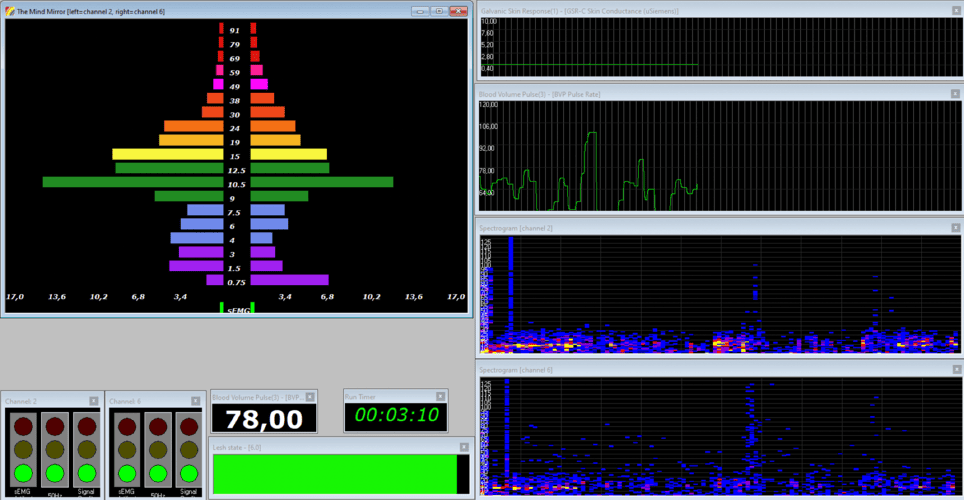
Figure 1: The display shows simultaneous tracking of brainwave activity, galvanic skin response (GSR), and blood volume pulse (BVP) during a live session.
Session summary table showing brainwave patterns.
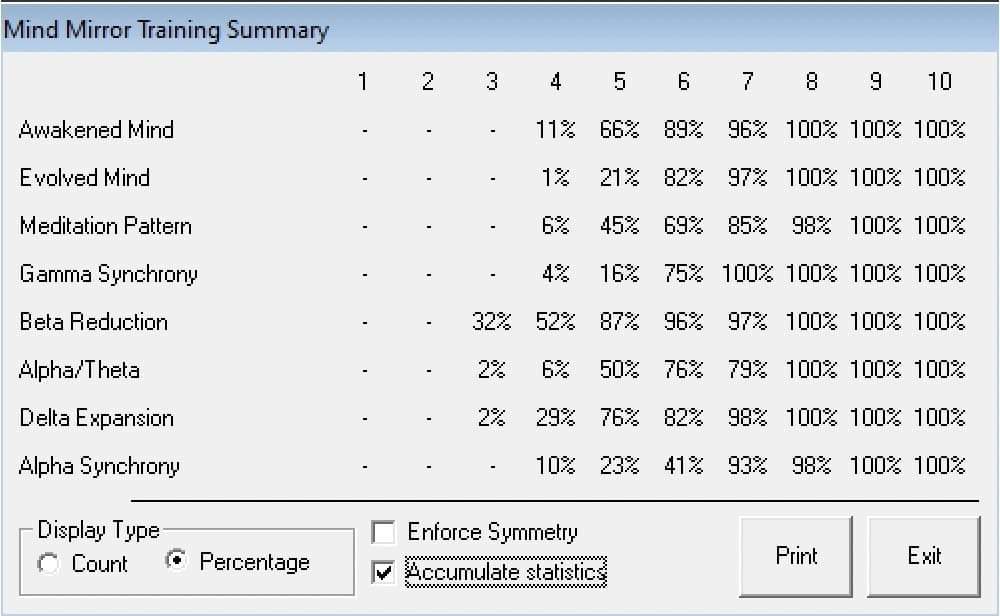
Figure 2: Scores reflect the proportion of the overall session during which recorded brain activity matched each pattern category.
Observation
Across participants, several patterns appeared repeatedly:
Rapid reduction of beta activity, often within the first minutes
Increase in alpha coherence and rhythmic brain activity
In some cases, emergence of theta and delta without loss of awareness
Signs of hemispheric synchronization
Autonomic calming reflected in HRV and GSR
These shifts were not gradual. In many cases, they occurred within minutes, without cognitive effort from the participant.
1. Patterns of Brainwave Synchronization, Beta Reduction, and Autonomic Response
Across multiple sessions, sound-based interventions were frequently associated with reductions in high-beta activity and increased hemispheric synchronization (figure 3)
In several cases, these neural changes coincided with improvements in autonomic markers, including reduced skin conductance (GSR in 2 and 3), indicating a shift toward physiological regulation.
Descriptive labels reflect phenomenological observations recorded during sessions and are used here for illustrative purposes only.
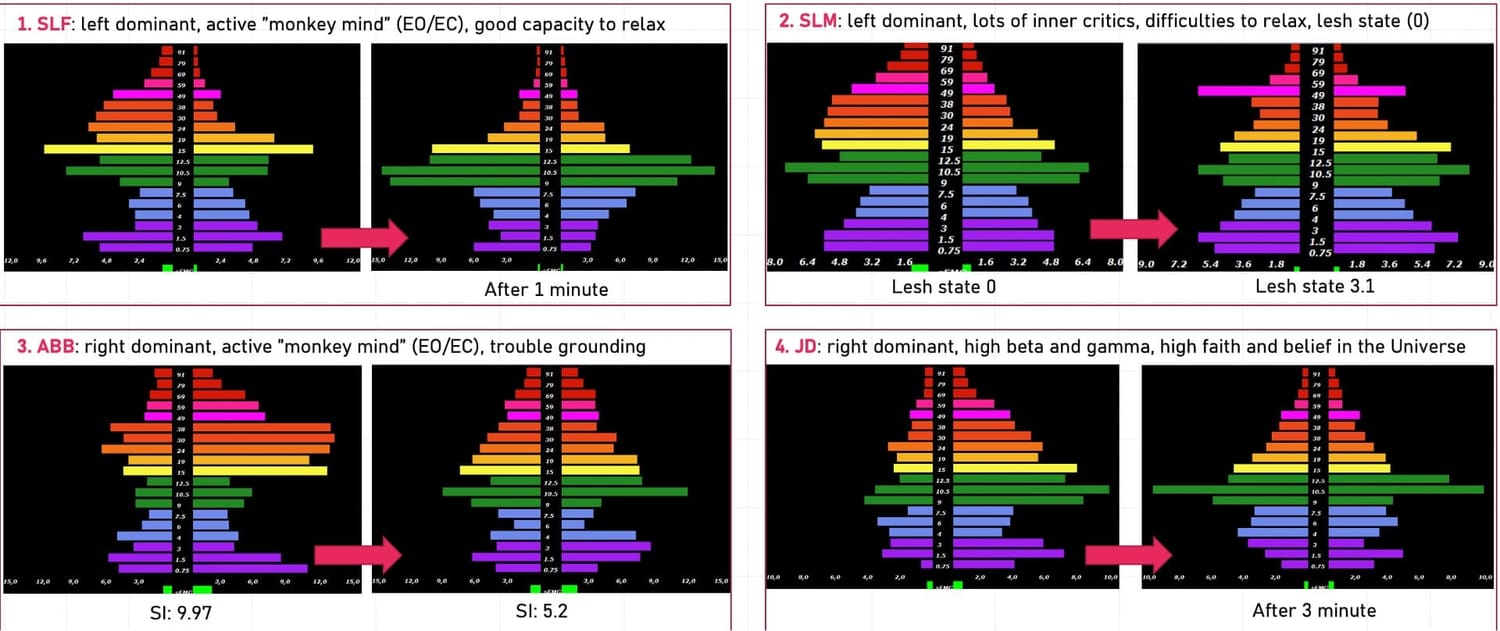
Figure 3. Illustrative examples of neurophysiological changes observed during sound-based sessions.
2. Observed Changes in Brainwave Pattern Scores (AM, EM, GS)
Across participants, sound-based sessions were associated with a marked increase in Awakened Mind (AM) scores (+23% on average), alongside smaller increases in Evolved Mind (EM) (+7%) and Gamma Synchrony (GS) (+4%) as illustrate in figure 4.
The increase in AM scores is consistent with the physiological effects observed during sessions. AM patterns are characterized by reduced high-beta activity and increased alpha–theta balance. Singing bowl stimulation frequently coincided with beta reduction and broader alpha bandwidth, reflecting a shift toward relaxed yet alert states.
As beta activity diminished, access to theta activity during relaxation became more frequent, which aligns with the observed AM score increase. These changes were primarily driven by relaxation dynamics rather than effortful cognitive engagement.
AM (Awakened Mind), EM (Evolved Mind), and GS (Gamma Synchrony) refer to categorized brainwave pattern scores defined by the Institute for the Awakened Mind and are used here as descriptive pattern labels rather than diagnostic measures.
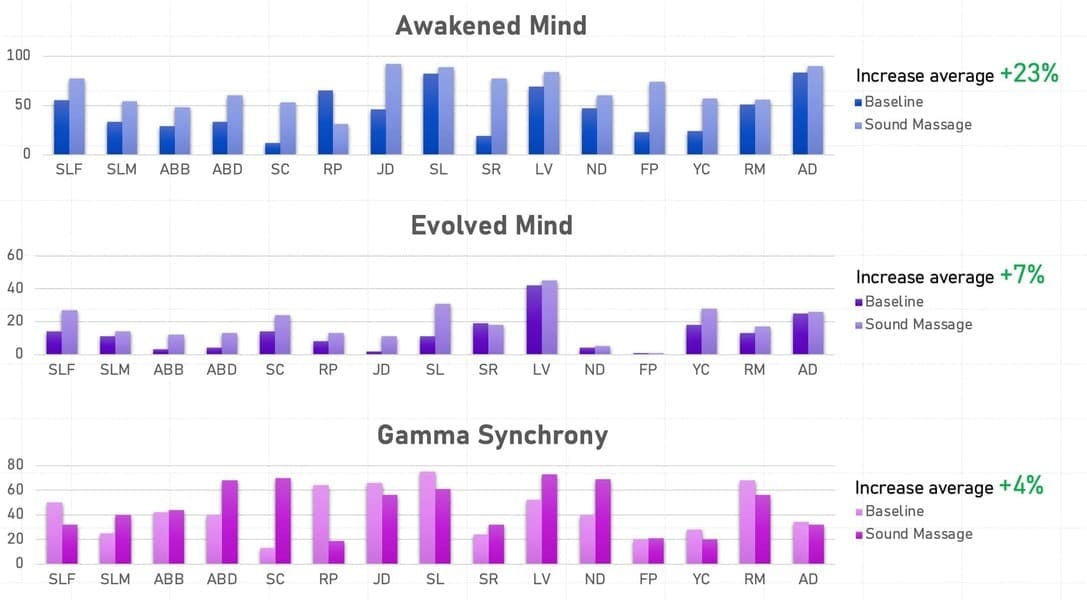
Figure 4. Changes in Categorized Brainwave Pattern Scores During Sound-Based Sessions
3. From Cognitive Load to Coherent Activation: An Observed Sequence
Within the first minute of the session, a rapid reduction in beta activity was observed, alongside increased hemispheric synchrony and stabilization of the alpha bridge (Figure 5). This participant had previously shown resistance to standard relaxation techniques, yet sound stimulation produced an immediate shift away from high cognitive load toward physiological relaxation.
As the system settled, theta activity increased, suggesting access to a deeper integrative state once safety and relaxation were established. This transition marked a move from effortful regulation to internally generated coherence.
During a later phase of the session, autonomic activation increased while neural coherence was maintained, consistent with a eustress-like state of engaged regulation rather than distress. This pattern reflects activation with stability, not sympathetic overload.
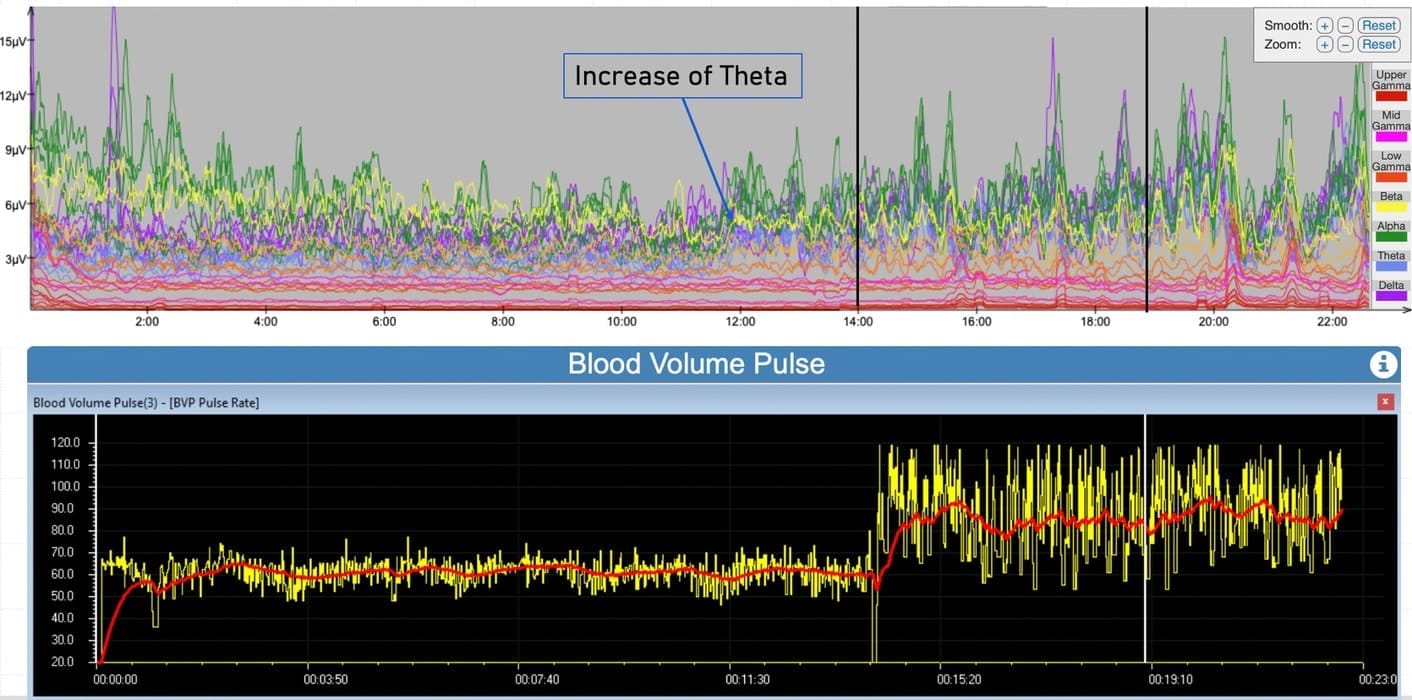
Figure 5. Sequential EEG and BVP changes illustrating beta reduction, theta emergence, and regulated autonomic activation during a sound-based session.
Toward the end of the session, pronounced gamma activity emerged alongside sustained hemispheric synchrony, indicating entry into an advanced altered state of consciousness rather than simple relaxation or arousal.
Across the full session, the participant’s AM TL5 score increased from 55% to 77% (figure 6), reflecting a measurable shift in dominant brainwave pattern toward coherent, integrated functioning.
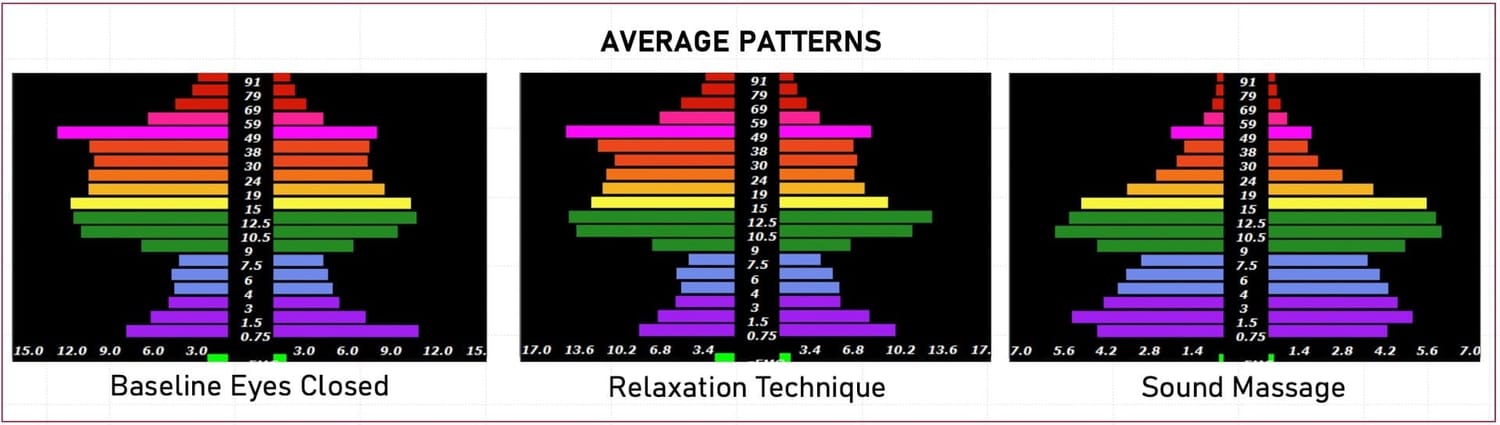
Figure 6. Progression of average brainwave patterns from baseline to sound-based intervention.
4. Coordinated neural oscillatory activity
In some sessions, participants entered a trance-like state characterized by coordinated oscillatory activity across multiple frequency bands. Rather than isolated changes within a single band, fluctuations in beta, alpha, and theta occurred in a temporally aligned manner, preserving overall signal organization (figure 7).
This pattern resembles a state of integrated neural regulation, in which increases in one band were accompanied by proportional changes in others, rather than competitive suppression. Although not identical to formal EEG coherence metrics, this coordinated rhythmic structure parallels the organized oscillatory patterns observed in autonomic coherence states.
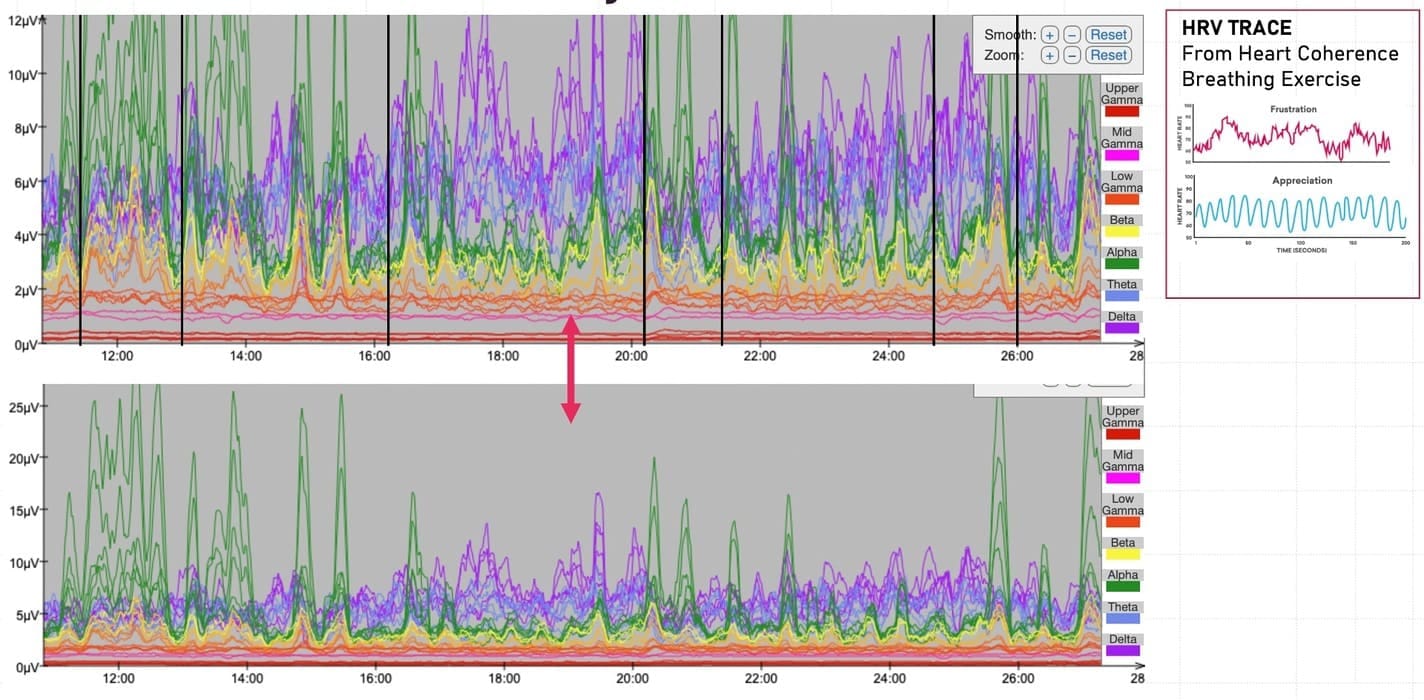
Figure 7. Coordinated neural oscillatory activity observed during trance-like states.
What the brainwave traces show
1. Global organization rather than band competition
Across the trace, multiple bands fluctuate together instead of fighting each other.
When beta rises, alpha and theta also rise
When activity settles, it settles across bands
No chaotic beta dominance
No alpha collapse when gamma appears
That alone rules out stress, overload, or dysregulation.
2. Coordinated oscillatory regime
The pattern shows:
Stable baseline floor
Repeated, structured oscillations
Preserved proportionality between bands
Similar timing of peaks across frequencies
This is not random noise and not simple relaxation.
It is an organized oscillatory state.
5. Observation of a Rare Globally Integrated Brainwave Pattern
This pattern (figure 8) was observed only under specific conditions involving sound-based brainwave entrainment, including Monroe-style auditory stimulation, singing bowl sessions, and post-ketamine integration phases. It did not emerge spontaneously and was not observed during standard relaxation or meditation alone.
The figure illustrates a rare, highly symmetrical brainwave configuration characterized by coordinated activation across delta, theta, alpha, beta, and gamma bands. Classified by the Institute for the Awakened Mind as an advanced integrated state, this pattern reflects global neural coordination rather than dominance of a single frequency range. Its infrequent occurrence and conditional emergence suggest a transient whole-system integration state associated with externally facilitated entrainment rather than baseline neurophysiological functioning.
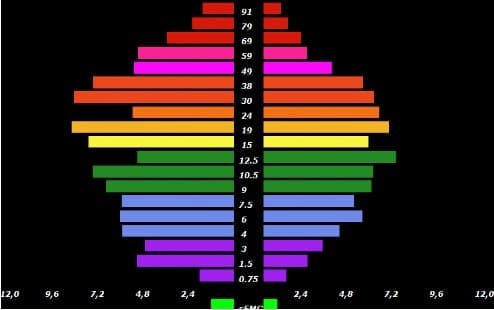
Figure 8. Rare globally integrated brainwave pattern observed during sound-based neural entrainment.
While this pattern is classified by IAM as an advanced state, it is presented here strictly as an empirical observation of transient whole-system neural integration rather than as a stable trait or permanent outcome.
Limitations and Open Questions
The mechanisms underlying divergent subjective experiences (e.g. relaxation, trance, flow) remain unclear.
The influence of participants’ prior nervous system state has not yet been quantified.
Sound entrainment parameters were not systematically varied or controlled across sessions.
Conclusion
Across sessions, individual experiences varied considerably. Some participants entered deep relaxation, others shifted into trance-like states, and others reported increased flow or creative activation. These subjective experiences could not be predicted in advance and were not consistently reproducible from one individual to another. At present, the factors determining why one participant enters a trance state while another experiences flow or creative engagement remain unclear.
Despite this interindividual variability, several physiological patterns were consistently observed across all participants. Sound-based sessions were systematically associated with a reduction in beta amplitude, an increased capacity for relaxation, and improved synchrony between cerebral hemispheres. These markers appeared regardless of the specific subjective experience reported.
This suggests that while sound-based interventions reliably support a shift away from high cognitive load toward a more regulated and coherent neural state, the qualitative inner experience that emerges from this shift remains highly individual and context-dependent. Understanding the mechanisms that shape these divergent experiential outcomes represents an important direction for future investigation.




KvK : 98 71 54 88 | VAT: NL005349328B34
© Copyright 2024 noesisdelta.com - All rights reserved